Iron Sight Imagery
Radiometric thermalSolar panel inspectionInsurance & storm claims+1 more
Drone inspections, checked on official pages
175 FAA Part 107 drone operators in 42 states for roof, thermal, solar, and insurance-claim inspections. Each listing is checked against the operator’s own site. We pass along quote requests; we don’t fly the jobs.
We measure from the ZIP center, not a street address. Or browse by state.
Every state where we have checked operators’ official pages. If a state is missing, we have not invented listings to fill the gap.
A sample from several states. Search by ZIP for the ones closest to your property.
We mark a filter “yes” only when the operator’s own page supports it. Unknown stays unknown.
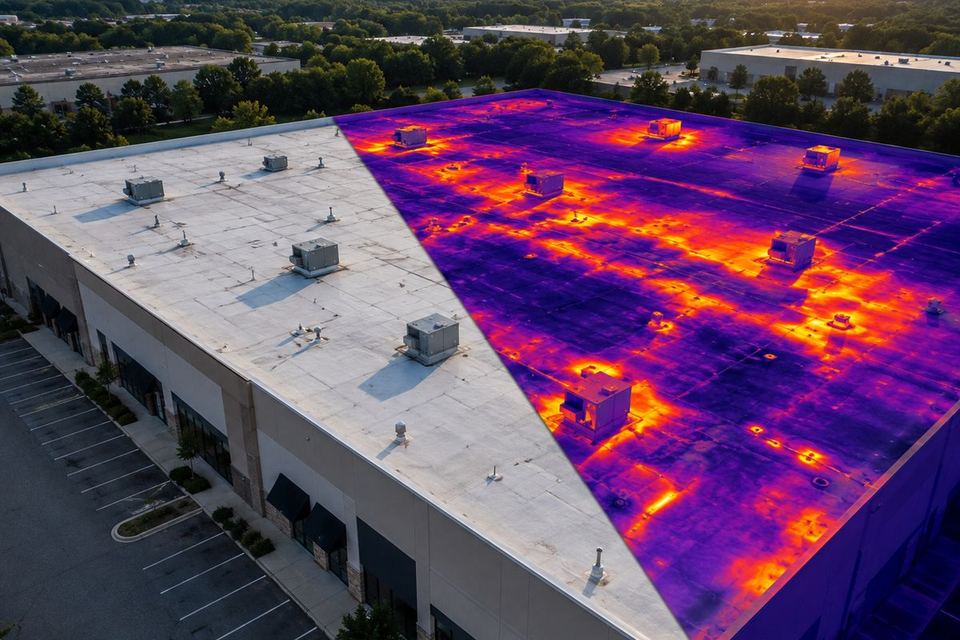
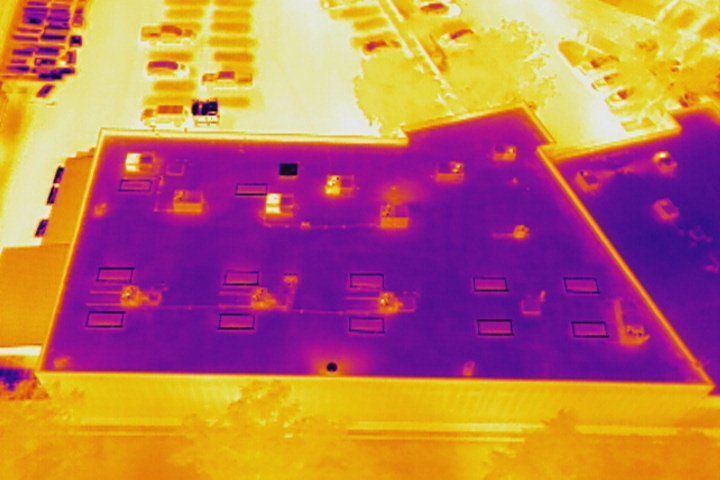
Infrared or thermal drone work named on their own page: moisture, heat loss, hot spots.
They say their thermal data is radiometric, so each pixel carries a temperature reading, not just a picture.
Rooftop or solar-farm inspections, usually thermal, named on their page.
They describe storm, hail, or insurance-claim documentation for adjusters or owners.
A named thermography certification such as Level I or Level II. We repeat their wording.
They state a liability amount of $1 million or more. Ask for a certificate of insurance before the flight.
Cell towers, bridges, substations, power lines, or industrial assets.
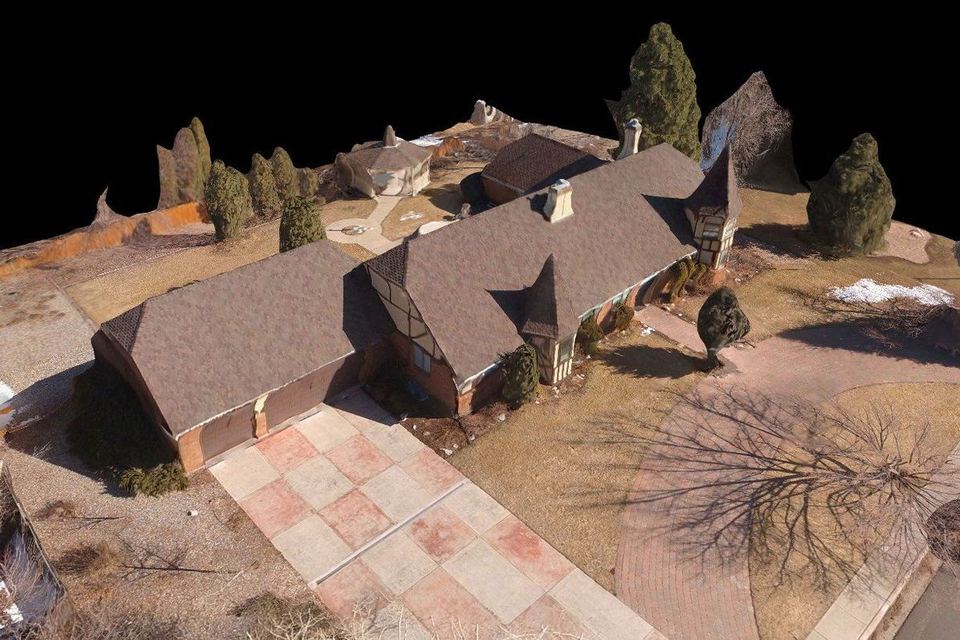
Orthomosaic maps, 3D models, point clouds, or digital twins.
Planning ranges from a published 2026 pricing guide, plus prices some listed operators post on their own sites.
Residential or commercial, photos only or a written report.
What a thermal or radiometric pass adds to a visual inspection.
Rooftop arrays and solar farms priced by the acre.
Claim-ready drone documentation, with a rush option.
Enter a five-digit ZIP in the search box. We rank listed operators by distance from that ZIP’s center. Open a listing to see what their own page says about Part 107, thermal, and insurance work, then request a quote.
Yes. Anyone flying a drone for paid work in the U.S. needs an FAA remote pilot certificate under Part 107. We only list operators whose own website says they fly under Part 107 or with FAA-certified pilots, and we show you their sentence. You can confirm a pilot’s certificate with the FAA’s airmen inquiry tool.
A 2026 pricing guide from Rotor Rate puts a residential visual roof scan at about $250–$600, $400–$900 with a written report, $500–$1,200 for insurance-claim documentation, and $600–$2,500 for commercial or flat roofs. Thermal adds about 40–80%. Try our cost calculators.
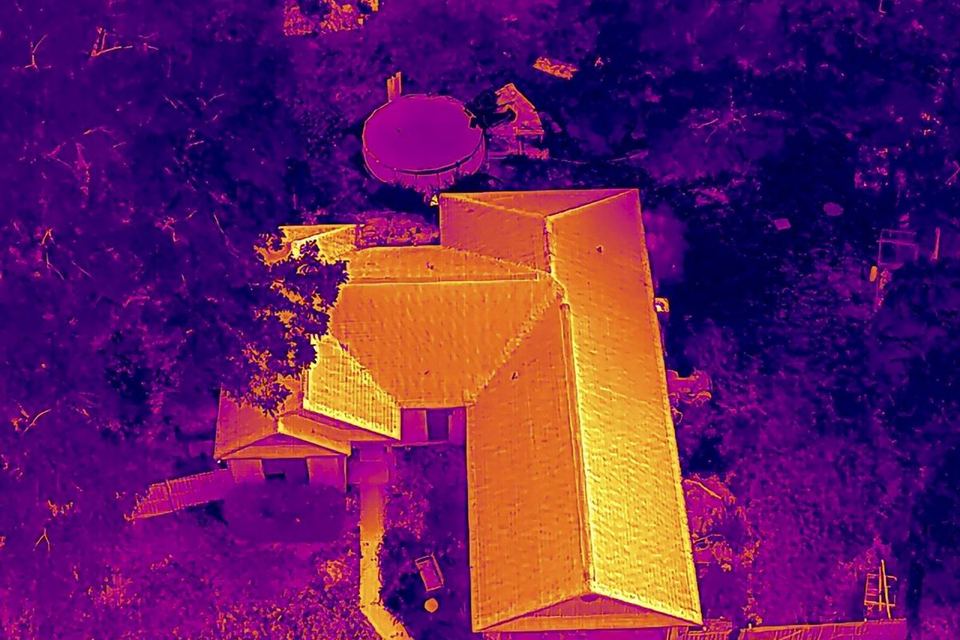
A thermal camera shows warm and cool areas as a picture. A radiometric camera also stores a temperature value for every pixel, so an analyst can measure the difference between a wet spot and dry roof, or a hot solar cell and its neighbors. Use the Radiometric thermal filter when you need numbers in the report.
Often, yes. 84 listed operators say they document storm, hail, or insurance claims. Ask for dated photos of every slope, close-ups of damage, and a written summary. We don’t give claim advice; see insurance & storm claims.
We only add an operator after we read its own official site. Filters such as radiometric thermal or $1M+ liability stay unmarked unless the operator’s page says so. How we verify listings.